
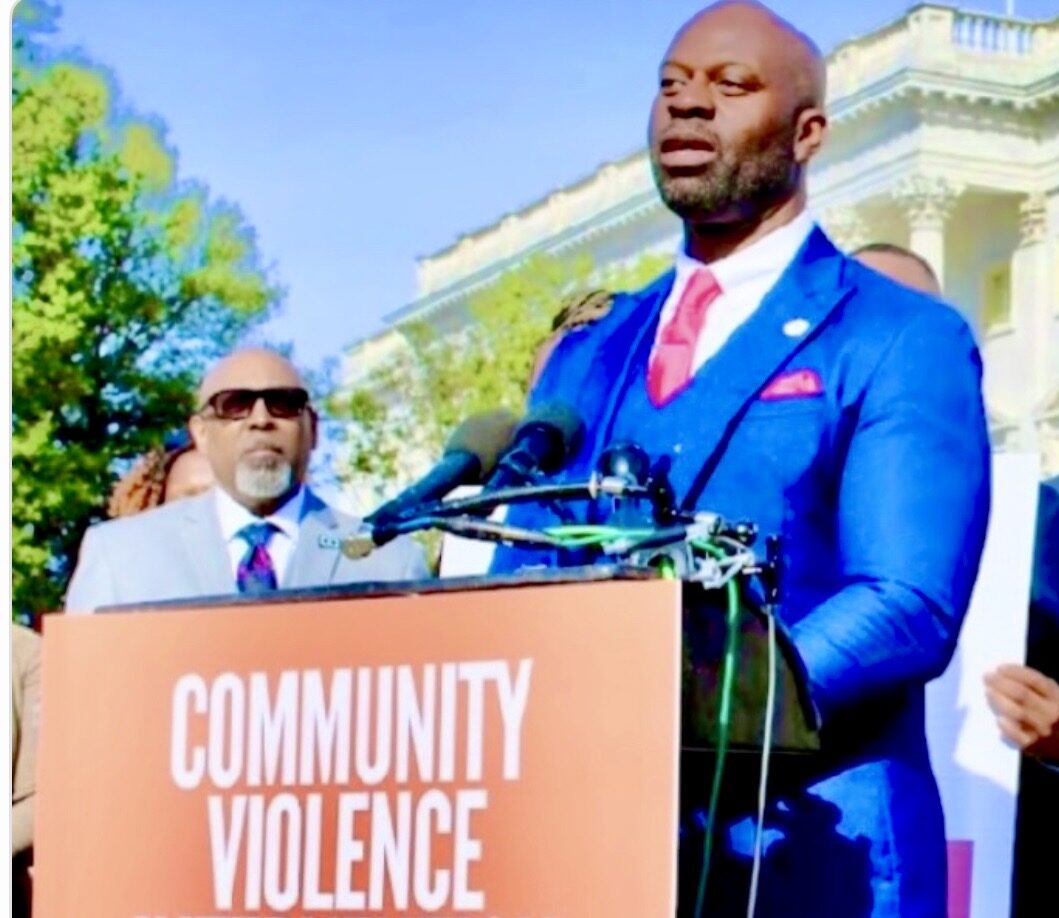
Crime is down across Trenton this spring. According to the City of Trenton’s May 2026 CitiStat report, citywide crime fell 20 percent between January 1 and May 3 compared to the same stretch last year. Homicides dropped 57 percent, from seven to three, and robberies fell 58 percent, from 78 to 33.
Police credit proactive enforcement and firearms recovery for part of the change. But the numbers also reflect something that does not show up in an arrest log: a steady, coordinated effort by residents and community organizations to interrupt violence before it happens. Across the city, a network of community-based intervention teams has been doing exactly that, and the data is beginning to bear it out.
The Isles Trenton Community Street Team is one of them. Its clearest results come from the schools it serves, where members provide safe passage every day. Since that work began in 2022, Trenton Central High School, the 9th Grade Academy, Capital City High School, and the Isles Youth Institute have seen a 96 percent drop in violence. Police calls to those campuses during student arrival and departure are down 75 percent, and the team has escorted more than 4,000 students to and from class. Formed in 2021 through a violence intervention partnership led by Isles, with Fathers of Men United for A Better Trenton and Building a Better Way for Trenton, the Street Team is staffed by 26 residents who live in or grew up in the neighborhoods they serve.
For director Perry Shaw, the results reflect what happens when violence is approached as a public health crisis. “Often times people may assume certain things, but they’re not looking at the data. The data leads us in the right direction.”
Shaw said lasting reductions in violence require more than just enforcement. “We cannot arrest our way out of every situation. “Prevention, interruption, mentorship, and addressing trauma all have to be part of the solution.”
He emphasizes that the missions of law enforcement and TCST are very different, but the visions do align. Law enforcement focuses on enforcing laws and investigating crimes, while TCST focuses on prevention, conflict mediation, and community lead intervention. Shaw described it as a “professional understanding”, within the broader public safety ecosystem, where each entity has a distinct role while working toward the goal of safer neighborhoods and healthier communities.
That ecosystem reaches beyond Isles. The Trenton Restorative Street Team, a program of the nonprofit Salvation and Social Justice, works in the North and West Wards, providing violence prevention and intervention through restorative justice practices, conflict resolution and peace circles, victim services, and trauma-informed care. Together, the teams share a conviction that lasting safety is built through relationships and healing, not enforcement alone.
“These numbers reflect what becomes possible when a city invests in its own people,” said Laura Fenster Rothschild, Chief Operating Officer of Isles. “Safety is built by trusted neighbors, by safe routes to school, by people who show up every day for one another. We are proud the Trenton Community Street Team is part of that story, alongside the residents and partners who make this progress real.” “Isles is grateful for the Mayor and Council’s dedication to this initiative and law enforcement’s coordination with Trenton’s two community-based violence interruption providers and their recognition of the unique role CBVI efforts play in stemming violence in the community”.
The work is far from finished, and Isles and its partners remain committed to it. But this spring, block by block, Trenton offered real evidence that better is possible.
Learn more about the Trenton Community Street Team at trentoncommunitystreetteam.org.